Home / Treatments / plasma pen
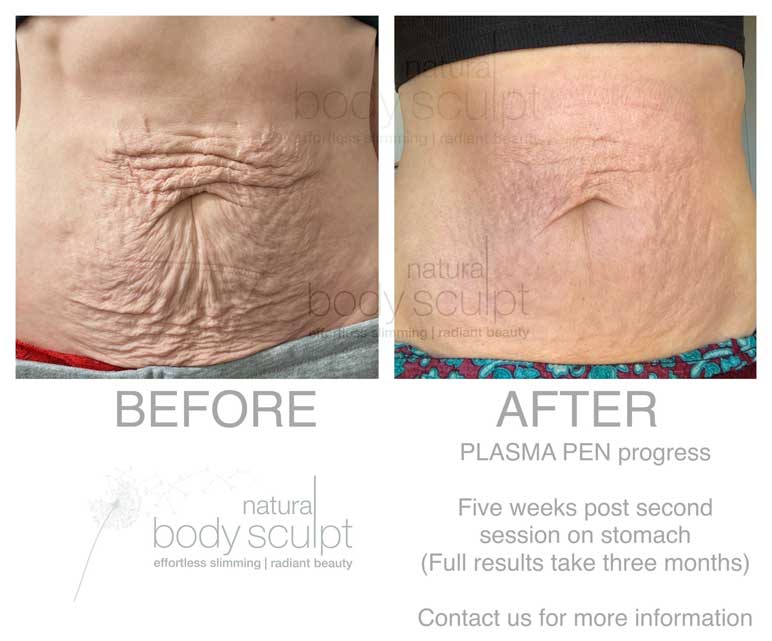
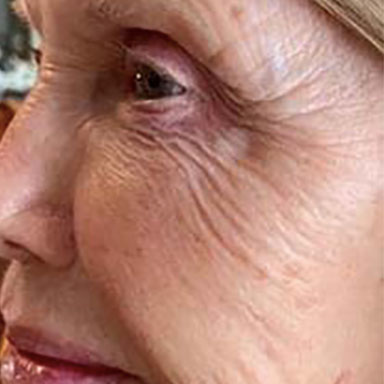
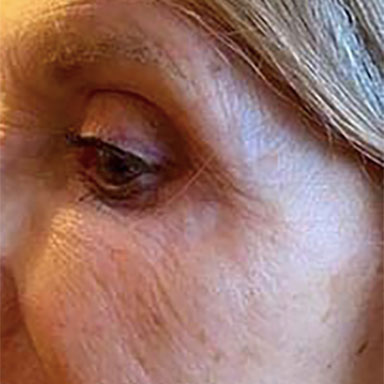
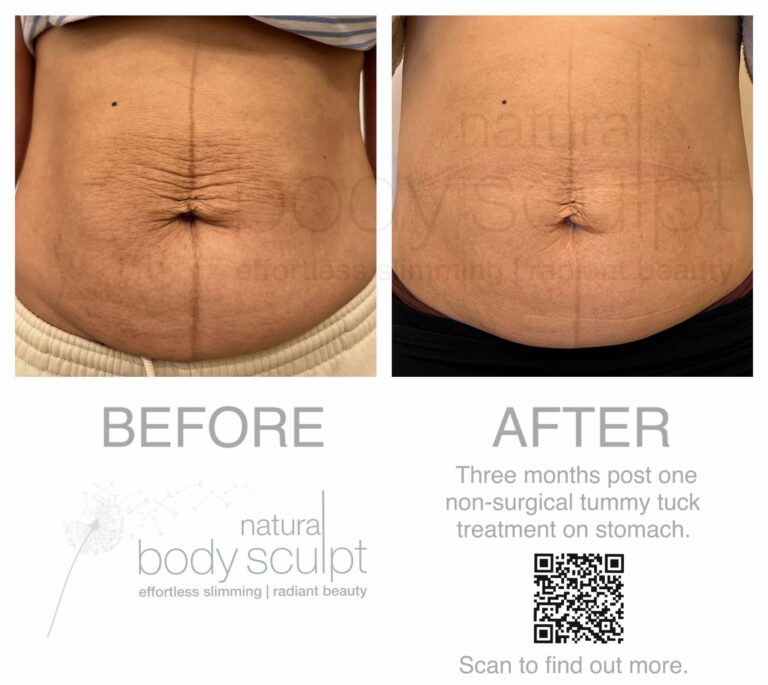
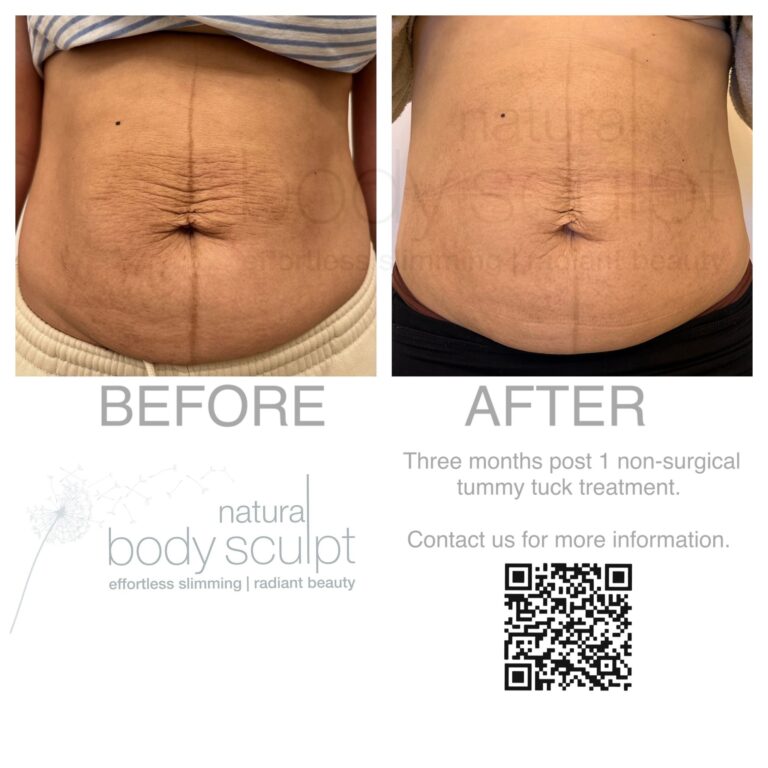
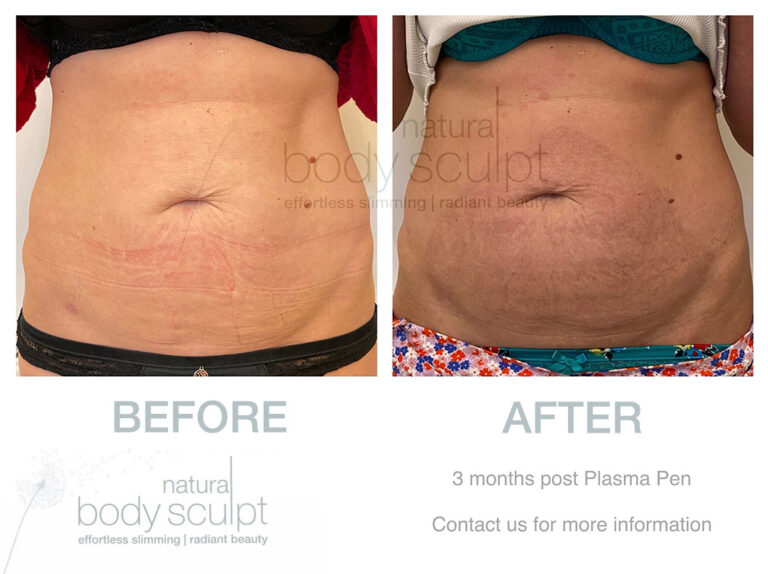
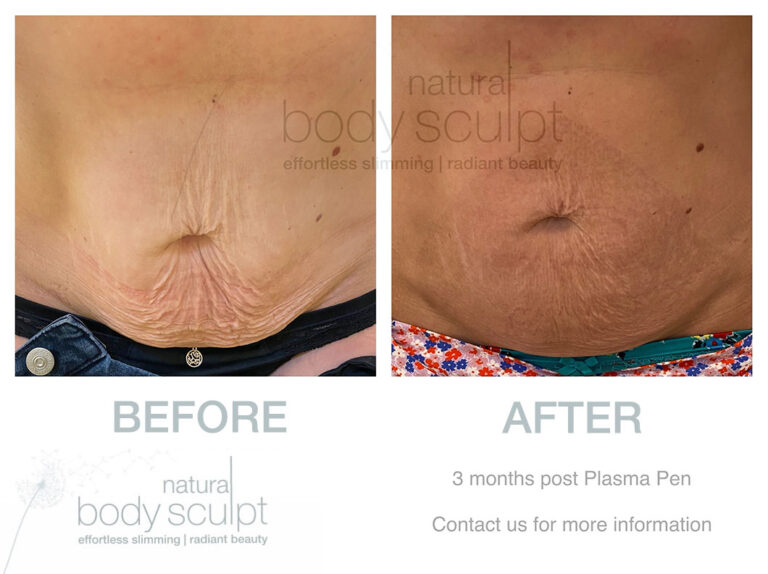
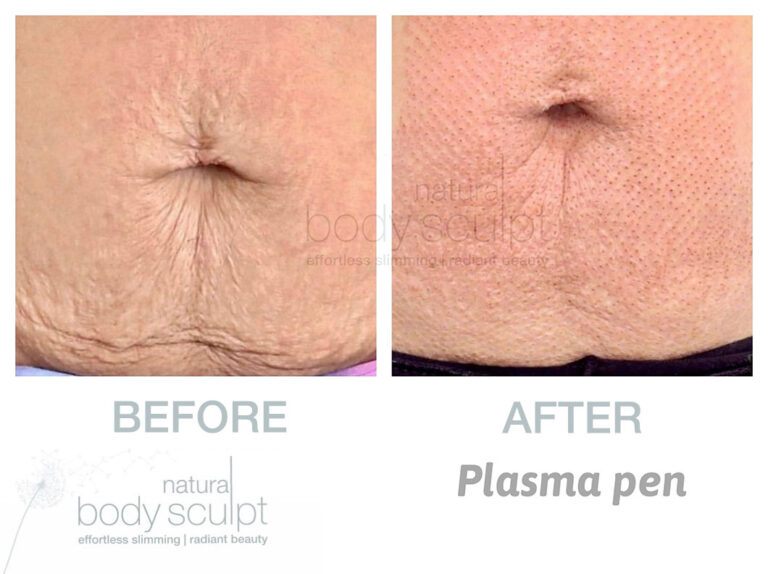
Plasma pen is a revolutionary treatment and gentle alternative to surgery that literally shrinks excess skin.
The best results you can get without going under the knife.
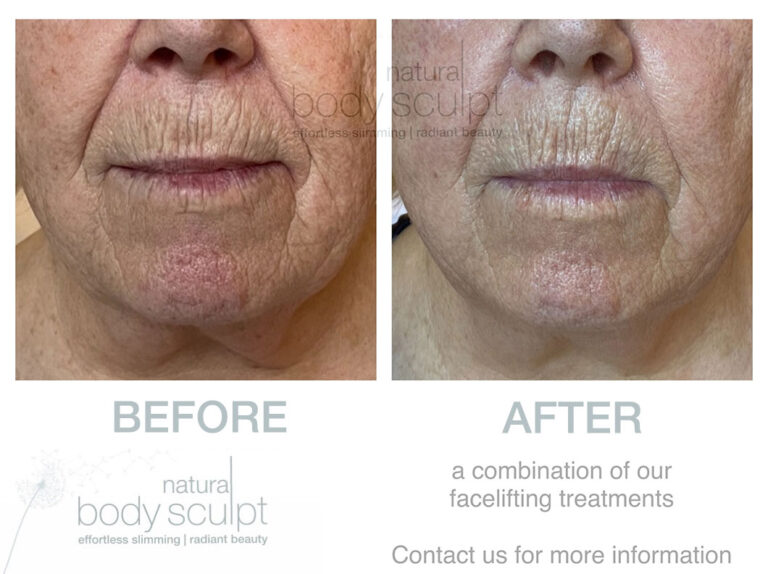
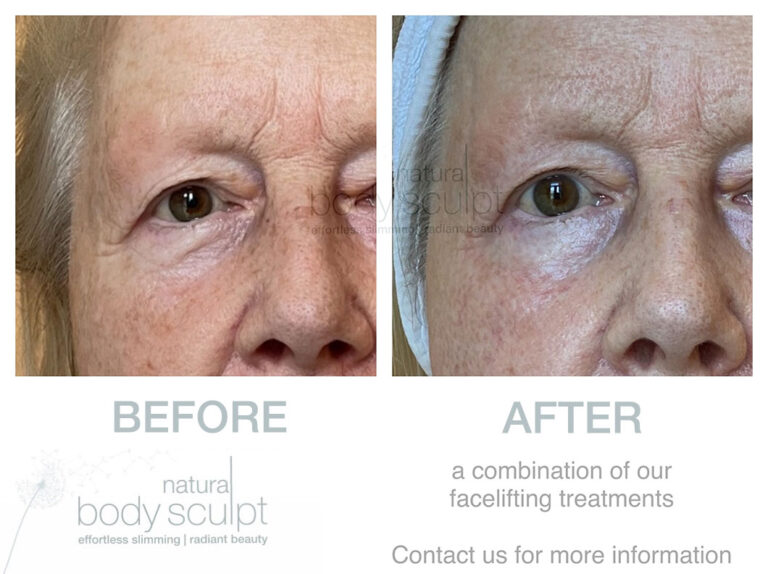
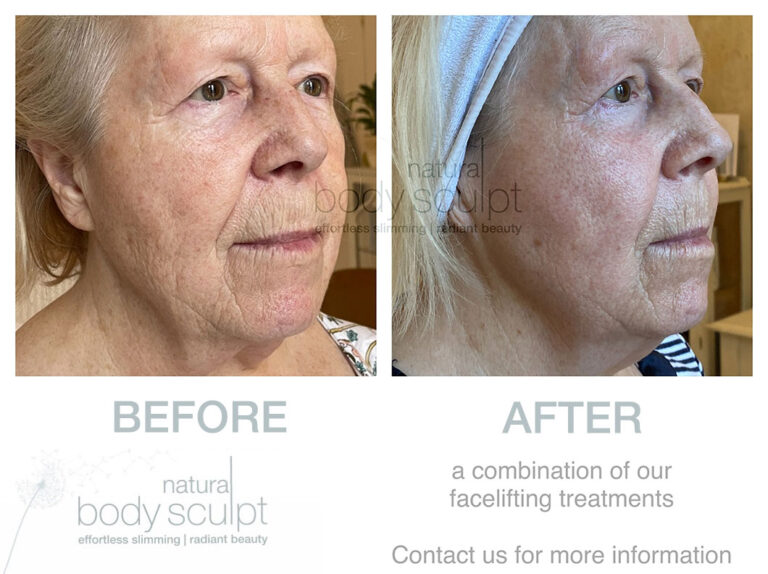
It significantly tightens and lifts skin tissue making it the go to option for the face and body. Perfect for sagging eyelids, eye bags, crow’s feet, lined cheeks, smoothing and tightening wrinkly tummies, bingo wings and sagging knees. It is a great treatment for skin tags.
Our Plasma Pen combines plasma and NF+ technology. The treatment causes a ‘micro trauma’ to the surface skin tissue through a process called sublimation, the skin instantly shrinks and contracts, giving immediate lift and tightening. New collagen is created a process called neocollagenesis that helps to release and activate essential proteins and growth factors like cytokines and fibroblasts, which encourages more collagen to be made.
The treatment is low pain and gentle, it dramatically tightens, lifts, resurfaces, rejuvenates and regenerates any area of the skin.
For the lower face, neck and body more than one treatment is usually needed.
New collagen continues to be formed over a period of 12 weeks following treatment. The results can last 1 to 3 years.
There is minimal vanity downtime and sunscreen must be worn for 3 months.
A patch test is needed before treatment.
The Plasma Pen is a simple tool it works by converting electrical energy into electrostatic energy which is transmitted to the probe by impulse.
The pen hovers over the skin at about 1mm from the skin, oxygen and nitrogen are mixed to produce an arc of plasma that discharges. A small scab is created.
There is an immediate contraction of the skin tissue and also thermal disruption within the dermis. This stimulates collagen production for the next few months, and also activates and releases important proteins in the dermis. The highly accurate and controlled micro-trauma to the epidermal layer (top layers) rejuvenates through healing and forms dry tiny carbon crusts and scabs, which shrink the skin, the scabs fall off after several days or maybe a week.
When scabs have fallen off new, fresh, tightened and youthful skin appears.
This treatment is known as fibroblasting. Fibroblasts are the most common cells of connective tissue in the body that produce collagen.
While the scabs are healing and falling off most people decide to have a couple of days off work. We do give you surgical grade make up to cover the area if you wish to continue going to work and socialising. You must keep up your aftercare which is primarily putting 50 factor SPF on every day.
This treatment has been shown to be very low risk with minimal side effects and very short vanity downtime. The Plasma Pen treatment feels like tiny pin pricks with a mild sensation of heat. Topical anaesthetic cream is applied to numb the area. The treatment time can vary from a few minutes to an hour depending on the size of the area being treated. Side effects may include redness, swelling, bruising, scabbing, and skin discoloration. With Plasma Pen treatment, there is no injectable anaesthetic, no scalpels , no stitches or sutures, no complicated aftercare.
Downtime may vary, from person to person but you may be uncomfortable with swelling for a couple of day and the scabs fall of at around 5 to 7 days.
What areas can we treat?
The effects of the Plasma Pen last around 3 years, although results may be permanent. Interested?
There is no lying. There is some discomfort with this treatment. We use a numbing cream to minimise discomfort. If you are having quite a few areas treated you can elect to have treatment over a few days.
The removal of a skin tag will take a second or two but a tummy or full face lift may take 1 hour.
The aftercare is simple. We will give you an aftercare pack. The most important thing to remember is to use your 50 SPF for 3 months after treatment. This protects the fresh new baby skin.
We always carry out a patch test to find out if you respond well to treatment. Darker skins are more likely to suffer with hyperpigmentation so we need to take extra care.
We always carry out a patch test to find out if you respond well to treatment. That said some medication and changes in hormones can affect the pigmentation of the skin. A consultation is important to determine if this is a suitable treatment for you.
This treatment is often used for more mature skins, when more subtle treatments are not going to give the result required.
missing answer
missing answer
missing answer